
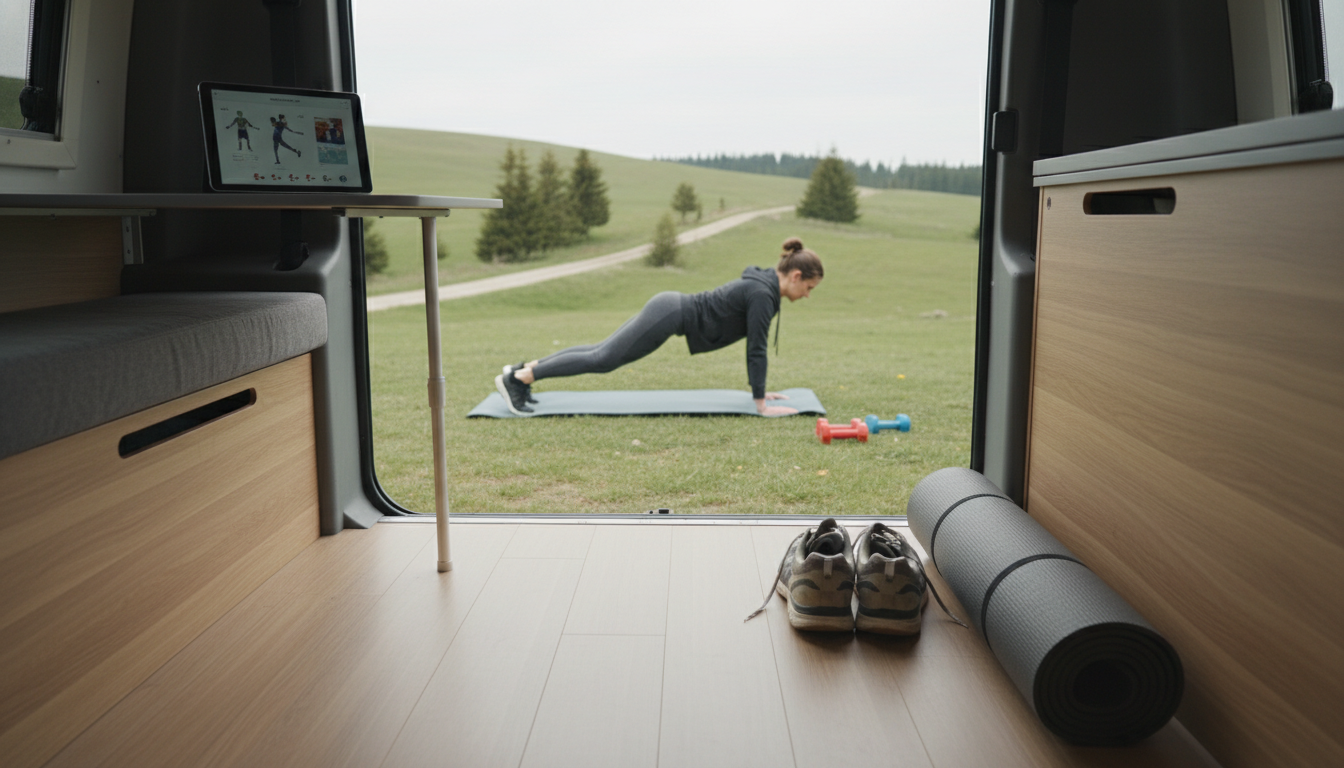
Yes—getting fit with at-home workouts is absolutely possible, as long as the plan is consistent and progressively challenging. Strength, cardio, mobility, and even endurance can all be improved at home using bodyweight moves, resistance bands, dumbbells, or everyday items. The key is matching workouts to your goals and tracking progress the same way you would in a gym.
Fitness isn’t one-size-fits-all. At home, you can build muscle and strength with squats, push-ups, rows, lunges, and hip hinges, then increase difficulty by adding reps, slowing tempo, shortening rest, or adding resistance. For cardio and conditioning, options like intervals (jump rope, high knees, mountain climbers), brisk incline walking, or follow-along circuits can elevate heart rate and improve stamina.
Effective home training comes down to three things: structure, progression, and recovery. A simple weekly structure might include 2–4 strength sessions plus 1–3 cardio or conditioning days. Progression can be as small as adding one rep per set, increasing time under tension, or switching to harder variations (kneeling push-ups to full push-ups, bodyweight squats to goblet squats). Recovery matters too: sleep, protein, hydration, and rest days help the body adapt.
Limited equipment and space are the most common hurdles. Resistance bands and adjustable dumbbells cover a lot of ground, and bodyweight training can be scaled with pauses, single-leg variations, and isometrics. If motivation dips, schedule workouts like appointments, keep sessions short (20–35 minutes), and follow a repeatable program rather than improvising every day.
For more detail on routines, equipment ideas, and practical ways to stay consistent, visit the full guide on at-home workouts.
You can start with just bodyweight, but a resistance band and a pair of dumbbells make progress easier. A yoga mat and a stable chair or bench are also helpful for comfort and exercise variety.










Leave a comment