
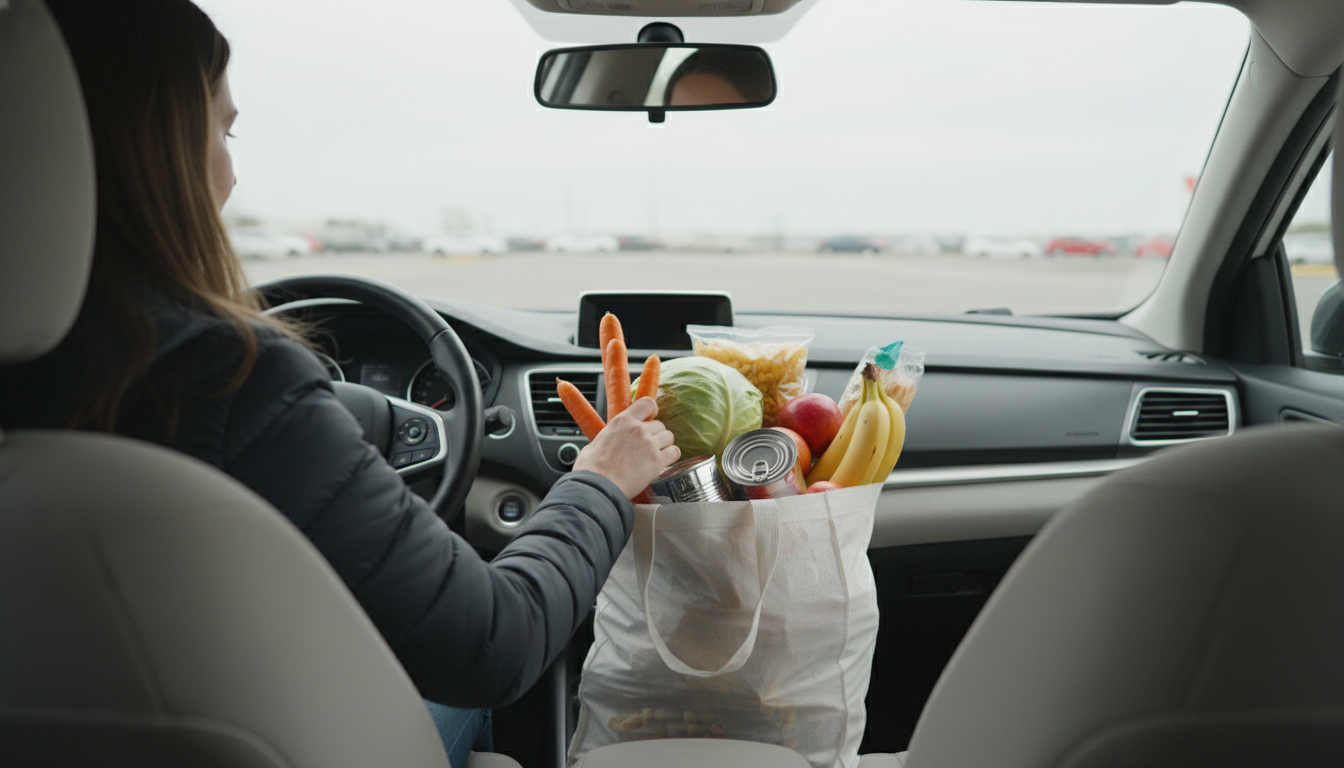
Saving money on groceries usually comes down to a handful of repeatable habits: planning what you’ll eat, buying the right sizes, shopping with price awareness, and cutting waste at home. The goal isn’t to “never buy treats”—it’s to make sure the everyday staples don’t quietly drain your budget.
Start with 3–5 dinners you can realistically cook, then create a list from those meals plus lunch and breakfast basics. A plan reduces impulse buys and helps you reuse ingredients (like using the same bag of spinach for salads, omelets, and pasta).
Stick to your list, but leave room for true deals like marked-down produce or a great protein sale you can freeze. Consider a “one in, one out” rule for snacks and extras: if something goes in the cart, something else comes out.
Unit pricing (cost per ounce/pound) is the fastest way to spot value. Bigger isn’t always cheaper—especially for items that expire quickly—so buy larger sizes only when you’ll use them before they go bad or you can freeze them.
Store brands are often made by the same manufacturers as name brands, but cost less. Keep a short swap list: frozen vegetables instead of fresh, chicken thighs instead of breasts, dried beans instead of canned, and seasonal fruit instead of out-of-season options.
Buy nonperishables and household staples when they’re discounted, then build a small pantry buffer. For perishables, plan “use-it-up” meals (stir-fries, soups, frittatas) near the end of the week to prevent food waste—one of the biggest hidden grocery costs.
For more practical tactics—like smart cart habits, deal-spotting, and cutting costs without giving up favorites—read the full guide: https://divinire.com/guide-smart-cart-secrets-cut-grocery-costs-without-sacrifice/.
Plan one “clean-out-the-fridge” meal each week, freeze leftovers in single portions, and store produce correctly so it lasts longer. Keeping an inventory list of what needs to be used next also prevents duplicate purchases.












Leave a comment