
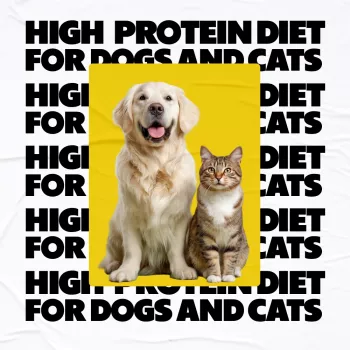
Protein can support muscle maintenance, healthy body condition, and satiety in both dogs and cats, but “more” isn’t always better. A smart high-protein plan matches the pet’s species, life stage, activity level, and medical history, using complete and balanced foods or carefully designed recipes with veterinary guidance.
Protein supplies essential amino acids that pets must get from food. Those amino acids support tissue repair, immune function, and the production of enzymes and hormones that help the body run smoothly. When protein intake is appropriate, it helps protect lean muscle and supports a healthier overall body composition.
Cats and dogs don’t use protein the same way. Cats are obligate carnivores with naturally higher baseline protein needs and a metabolism adapted to using amino acids consistently. Dogs are more flexible omnivores; they can do well with a wider range of macronutrient patterns, but they still need adequate protein quality and quantity to maintain muscle and thrive.
Label protein percentages can be misleading without context. A “35% protein” kibble and a “12% protein” canned food can be closer than they look because moisture, calorie density, and serving size change the real protein intake. Comparing foods on a dry matter basis (DMB) helps level the playing field, and comparing protein per 100 calories helps when weight management is the goal.
Most importantly, a high-protein choice should still be complete and balanced for the intended life stage. Meeting recognized nutrient profiles and having the right vitamin/mineral balance matters just as much as the protein number. Helpful references include WSAVA Global Nutrition Guidelines and the Merck Veterinary Manual’s overview of pet nutrition.
| Pet type | Life stage / goal | Common protein range | Notes |
|---|---|---|---|
| Dog | Adult maintenance | 18–30% | Higher end often used for active dogs or body composition goals; calories must be controlled. |
| Dog | Performance/working | 28–35%+ | Often paired with adequate fat for energy; monitor hydration and stool quality. |
| Dog | Weight management | 25–35% | Protein supports lean mass during calorie reduction; fiber may help satiety. |
| Cat | Adult maintenance | 30–45%+ | Cats typically thrive on higher protein; ensure taurine and essential fatty acids are adequate. |
| Cat | Weight management | 35–50%+ | Prioritize wet food if possible to support hydration; manage calories carefully. |
When the diet is balanced and calories are appropriate, higher-protein feeding can offer practical advantages for many pets.
“High protein” is not automatically appropriate for every dog or cat. In some cases, the right plan is less about protein alone and more about the full nutrient profile and medical priorities.
For deeper structure, templates, and planning tools, explore High-Protein Diet for Dogs and Cats | Ebook Guide on High Protein Diet Benefits for Pets, Nutrition Planning & Healthy Feeding. If you like building systems and checklists for home routines, How AI Can Spark Your Next Big Idea | Digital Guide | AI Prompts for Generating Creative Ideas | Innovation & Brainstorming Workbook can help generate meal-prep workflows, tracking ideas, and habit reminders.
Many adult maintenance dog foods fall around the high teens to mid-20s on a dry matter basis, so “high protein” often means moving into the upper 20s or 30%+ range depending on the dog’s activity and goals. Compare diets on a dry matter basis or protein per 100 calories, and keep calories controlled so higher protein doesn’t turn into unwanted weight gain. Dogs with medical conditions should use veterinarian-guided targets.
For healthy cats, higher-protein patterns are commonly appropriate because cats have higher baseline protein needs and do best on complete and balanced diets that include taurine. Cats with kidney disease or other health issues may require a different approach, so a veterinarian should guide diet selection. Any change should be gradual, with monitoring for appetite, stools, and hydration.
Choose foods with more protein per calorie, use wet food strategically, and cut back on high-calorie treats and toppers. Weigh portions in grams for accuracy and reassess the calorie target every few weeks based on body condition changes. This keeps protein higher while total energy stays appropriate.






Leave a comment