HomeBlogBlogIntroduce a Dog to Cats: Calm, Safe Steps & Checklist

Introduce a Dog to Cats: Calm, Safe Steps & Checklist

Introduce a Dog to Cats: Calm, Safe Steps & Checklist

Introducing Your Dog to Cats With Confidence and Calm

A dog-cat introduction goes best when it’s planned, slow, and guided by clear safety rules. The goal isn’t an instant friendship—it’s calm, predictable coexistence. With the right setup, short sessions, and careful reading of body language, most households can build peaceful routines even with a high-energy dog, a shy cat, or both.

Before They Meet: Set Up the Home for Safety

Start by designing the environment so your cat can always retreat and your dog can’t rehearse chasing. This reduces stress for both animals and makes training easier.

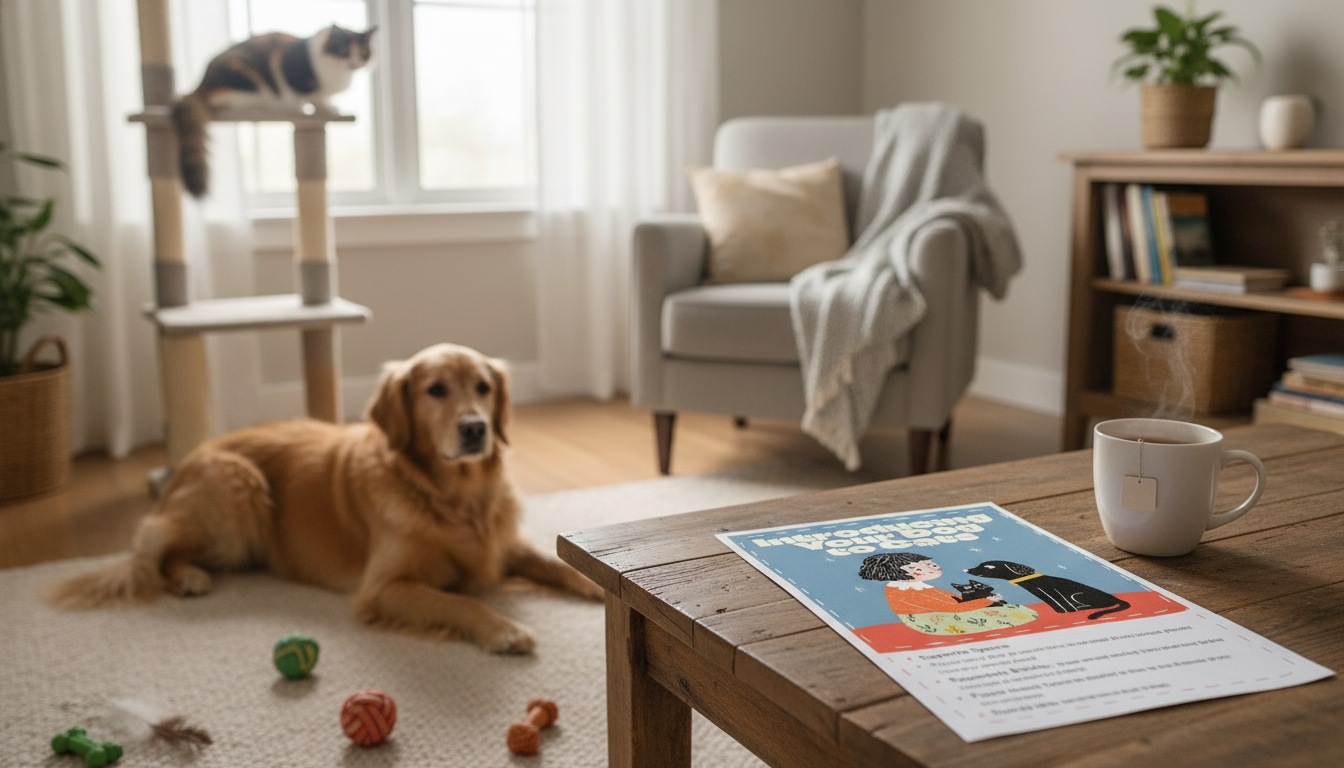
  • Create a cat-only safe zone (a separate room) stocked with litter, food, water, a scratching post, and multiple hiding spots.
  • Add vertical escape routes: a sturdy cat tree, wall shelves, or cleared furniture surfaces that the dog can’t reach.
  • Use physical barriers early: a baby gate, an exercise pen, or a door cracked open with a doorstop (so no one gets trapped).
  • Prepare dog gear: a comfortable harness, a 6–8 foot leash, and high-value treats your dog rarely gets otherwise.
  • Trim your dog’s nails and make sure your cat’s nails are managed appropriately to reduce injury risk if a swat happens.
  • Plan short sessions (1–5 minutes at first) and end on a calm moment—before either pet “boils over.”

Scent and Sound Introductions (Days 1–3 or Longer)

Before animals share space, let them learn each other’s presence at a low intensity. Scent work is often the fastest way to reduce the “stranger danger” feeling—especially for cats.

  • Swap bedding, or gently rub each pet with a separate cloth and place it near the other’s resting area.
  • Feed on opposite sides of a closed door so the other animal predicts good things.
  • Let each pet explore the other’s space separately (with the other pet safely secured elsewhere) to learn smells without pressure.
  • Watch for stress signals such as reduced appetite, hiding, pacing, vocalizing, or door-scratching. If you see them, slow down.

If you need help recognizing cat stress patterns, International Cat Care’s guidance on stress in cats is a reliable reference.

First Visual Contact Without Contact

Once both pets can eat and relax on opposite sides of the door, move to visual access—but keep a barrier so no one can rush the other. The barrier stage is where calm habits are built.

  • Start with a baby gate or slightly opened door secured with a doorstop so the cat controls distance.
  • Keep the dog leashed and far enough back to stay under threshold (able to take treats and respond to simple cues).
  • Reward calm behaviors: looking away from the cat, a soft body, sitting, sniffing the floor, and responding to “leave it.”
  • If the dog fixates, stiffens, lunges, or ignores food, increase distance and shorten the session.
  • If the cat flattens ears, growls, swats through the barrier, or bolts, end the session and return to scent work.

Quick Body-Language Guide: What to Do in the Moment

Signal Likely Meaning Best Next Step
Dog stares, body stiff, weight forward Fixation / rising arousal Increase distance, ask for an easy cue, reward disengagement
Dog can’t take treats or respond to name Over threshold End session calmly and try again later with more distance
Dog turns head away, sniffs ground, relaxed tail Self-soothing / calm interest Mark and reward; keep session short
Cat ears back, tail lashing, growling Fear / defensiveness Give cat an exit, stop the session, return to earlier step
Cat slow blinks, sits or grooms, chooses to stay Comfort increasing Continue calmly; avoid reaching toward the cat
Cat bolts and hides Overwhelmed Pause intros for longer; rebuild with scent + barrier feeding

Structured Leashed Meetings (When Both Pets Can Stay Calm at the Barrier)

When your dog can disengage from the cat behind a barrier and your cat can observe without escalating, you can try carefully managed, leashed sessions in the same room. The priority is safety and choice: the cat is free to leave, and the dog is prevented from rushing.

  • Choose a quiet room with cat escape routes and no tight corners where the cat could feel trapped.
  • Keep the dog leashed; for extra control, the handler can stand on the leash (leaving enough slack for comfort, not tension).
  • Keep the cat free (never held in arms) so the cat can move away if needed.
  • Aim for parallel coexistence: dog settles on a mat for treats while the cat explores at a distance.
  • Use short repetitions: 30–90 seconds, then take a break. Increase time gradually over days.
  • Stop immediately if chasing starts or if either pet shows escalating fear.

For general safety reminders around canine arousal and risk reduction, see the American Veterinary Medical Association (AVMA) dog bite prevention guidance.

Daily Training That Makes Peace Easier

Introductions go smoother when the dog already has “default” calm behaviors, and the cat’s routine stays stable. Small daily reps add up quickly.

How to Choose a Printable Checklist and Plan That Fits the Household

Common Setbacks and What Helps

The ASPCA’s guidance on introducing a cat to a new dog is also a helpful reference point if you want to compare your pace to a standard, cat-centered approach.

When to Get Professional Help

FAQ

How to introduce a dog to a cat

Start with full separation and scent swapping, then move to calm visual access through a barrier. Next, do short leashed sessions where the dog is rewarded for disengaging, and increase time and proximity only when both pets stay relaxed and responsive.

How to introduce a scared cat to a dog

Give the cat a dedicated safe room and plenty of vertical escape routes, then use door feeding and scent swaps to build comfort. Keep early visual sessions brief with a barrier, let the cat control distance, and never force contact.


Was this article helpful?

Yes No
Leave a comment
Top

Yay! 10% Off Just for You!

Join our community and enjoy 10% off your first order. Subscribe for exclusive deals!

Shopping cart

×