
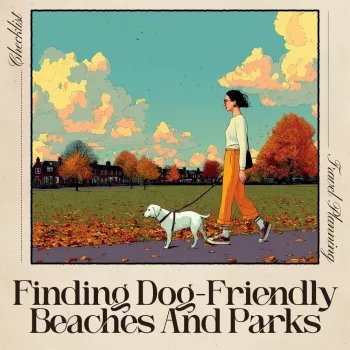
A “dog-friendly” sign can mean very different things depending on the location. Before you load the car, a quick round of questions can help you avoid citations, cut down on stress, and make sure your dog has a safe, fun first outing.
Ask whether leashes are required at all times, allowed only during specific hours, or permitted off-leash in designated areas. Confirm leash length limits and whether long lines are allowed.
Some beaches allow dogs only in the off-season, early mornings, or evenings. If it’s a beach, ask if certain sections close at high tide or if wildlife protections temporarily block access.
Many parks don’t check, but some require tags, local permits, or proof of rabies vaccination. It’s worth confirming before arrival—especially in busy tourist areas.
Ask about fresh water stations, waste bags, trash bins, shade, and rinse-off areas. Also check for fencing, separate small/large dog sections, lifeguard rules for dogs, and emergency access points.
Get specific: rough surf, strong currents, hot sand, algae blooms, foxtails, broken shells, glass, fishing hooks, snakes, or aggressive wildlife. Knowing the local risks helps you pack smart and choose safer times and locations.
Ask about peak hours, whether dogs must be under voice control, and rules around toys, fetch, and greeting other dogs. If your dog is new to crowds, a quieter window can set a better tone.
Clarify dog-allowed entrances, closest parking, and the shortest path to the dog zone. Ask if dogs are permitted on boardwalks, dunes, playground edges, or picnic lawns.
For a printable checklist that covers rules, packing, and on-site safety, visit this dog-friendly beach and park guide.
Bring fresh water and a bowl, waste bags, a towel, and a long line if permitted. For beaches, add rinse water, paw protection if sand gets hot, and a safe floating toy if your dog swims.











Leave a comment