
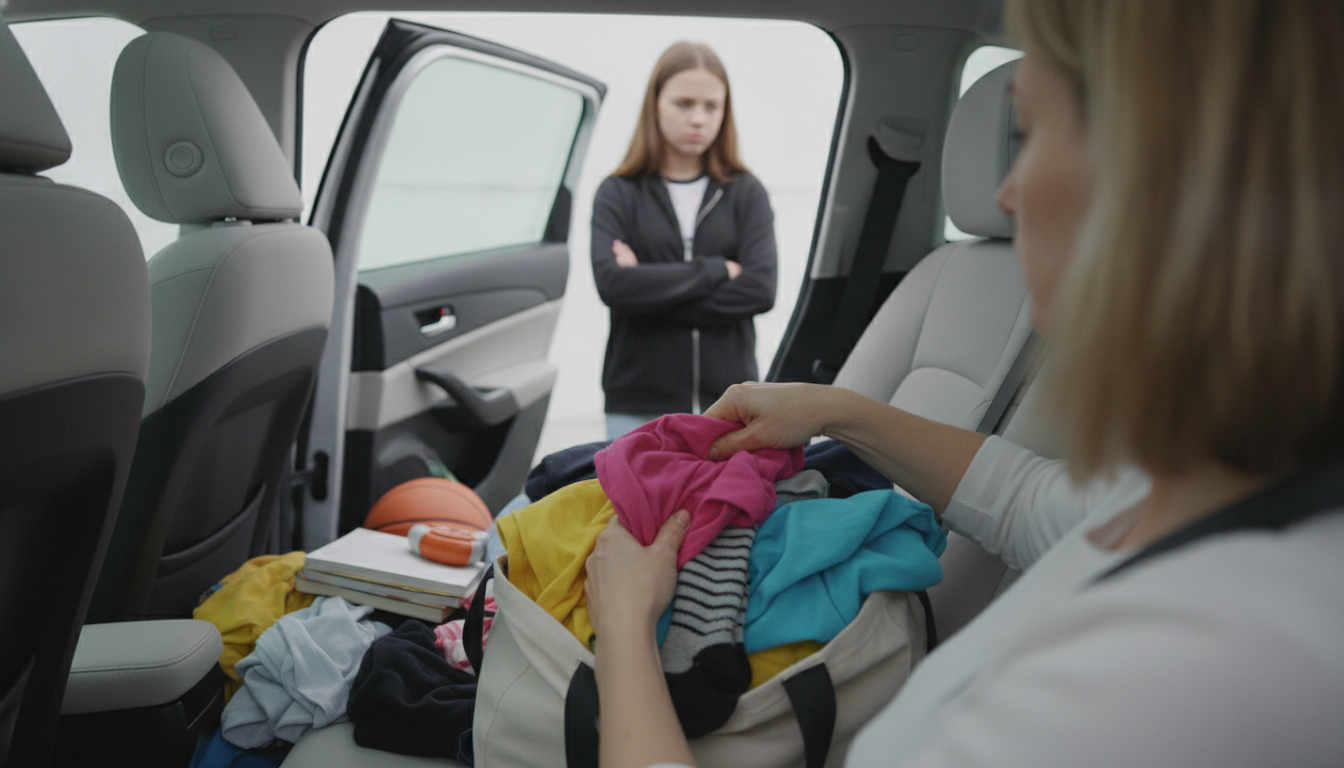
A daughter may refuse to clean her room for reasons that have less to do with “laziness” and more to do with autonomy, overwhelm, and priorities. For many kids and teens, a messy room feels like a private zone they control—especially when school, schedules, and social pressures leave them feeling managed everywhere else. When cleaning becomes a demand, refusing can be a way to protect independence.
Another common reason is emotional overload. A room that’s “too far gone” can trigger a shutdown response: if she doesn’t know where to start, any request to clean can feel impossible. That overwhelm often shows up as avoidance, anger, or bargaining (“I’ll do it later”). Add distractions like a phone, homework, or fatigue, and cleaning drops even lower on the list.
Sometimes the conflict is about expectations rather than effort. If “clean your room” means one thing to you (floors clear, laundry put away, trash out) and another to her (door closed, bed kind of made), she may feel she can’t win. If every attempt is met with criticism, she’s less likely to try next time.
To shift the pattern, aim for clarity and collaboration. Define what “clean enough” looks like in a few simple, visible targets (for example: trash removed, dishes to kitchen, clothes in hamper, clear walkway). Offer choices: “Do you want to start with clothes or trash?” Then keep the first goal small and time-limited so it feels doable.
Finally, reduce the power struggle. Instead of repeating reminders, set a consistent routine tied to something she wants (screen time, rides, having friends over) and follow through calmly. If you want a low-drama approach that uses short, realistic sessions, see the step-by-step guide here: 10-minute cleanups without fights.
Pick a predictable time (like right after school or before dinner), limit it to 10 minutes, and use the same 2–3 tasks each day. Consistency matters more than intensity, and a short routine is easier to repeat without arguments.












Leave a comment