
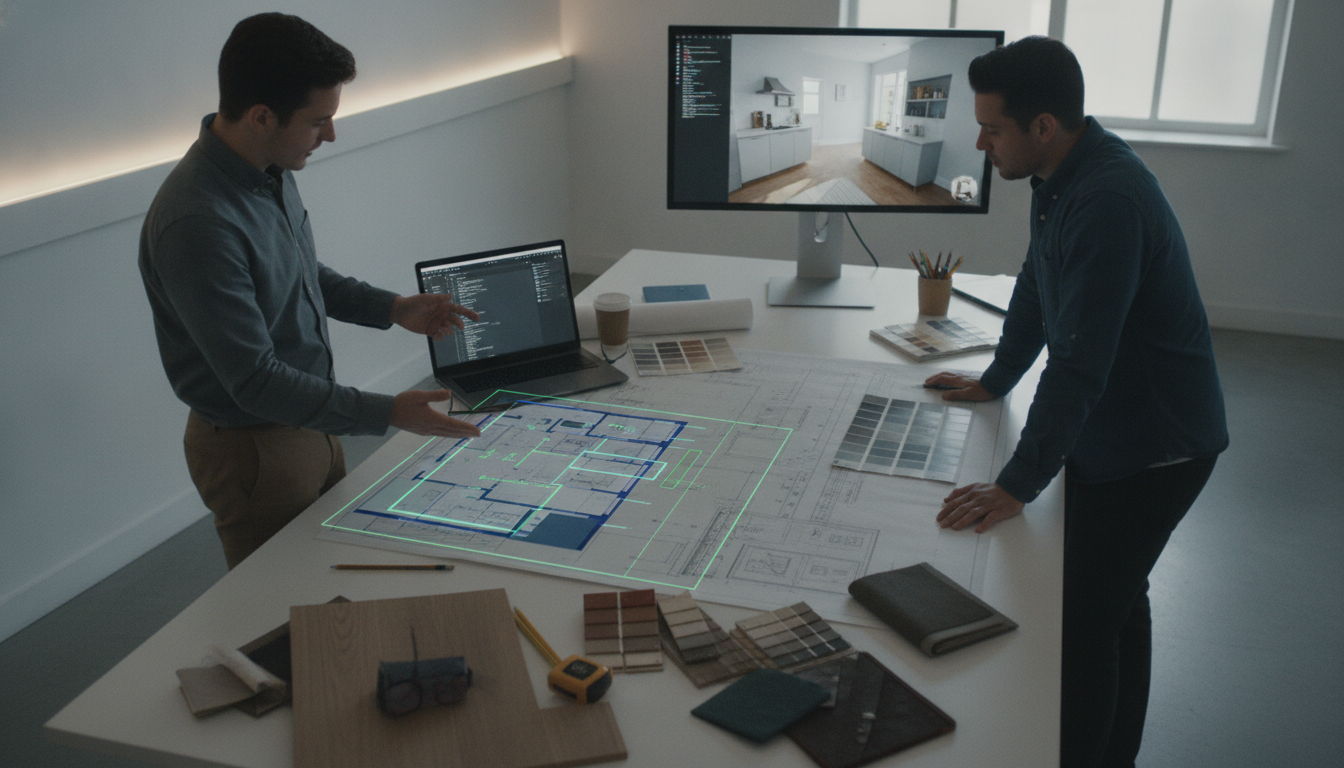
Yes. AI can turn your existing layout and renovation goals into a practical, step-by-step plan—especially for early-stage planning, option comparisons, and sequencing. The best results come when you give it clear inputs: measurements, photos, a rough floor plan, the rooms involved, what must stay (plumbing walls, load-bearing areas), your style preferences, target timeline, and a realistic budget range.
From there, AI tools can help you map the project into phases such as: discovery (constraints and must-haves), concept options (layout variations), scope definition (what changes and what doesn’t), materials and finishes (suggestions aligned to your style and price tier), and an execution schedule (demo, rough-in, inspections, drywall, paint, flooring, cabinetry, fixtures, punch list). Many tools can also generate room-by-room checklists so you don’t miss details like outlet placement, lighting layers, ventilation, and storage clearances.
AI is also useful for “what-if” planning. For example, if you want an open kitchen but need to keep costs down, it can suggest alternatives like widening a doorway, using a peninsula instead of a full island, or refacing cabinets while upgrading lighting and countertops. If your goal is better flow, it can flag pinch points (tight hallways, door swings) and propose changes that preserve usable wall space.
That said, AI doesn’t replace professional verification. It can’t certify structural changes, confirm local code requirements, or guarantee that a design works with your home’s hidden conditions (framing, duct runs, electrical capacity). Use AI to organize decisions and accelerate planning, then validate with qualified pros—especially for structural, plumbing, electrical, and permitting steps.
For a deeper walkthrough of how to translate your current layout into an actionable renovation roadmap, see the full guide here.
Collect basic measurements, photos of each wall, a sketch or existing floor plan, notes on what you want to change, and any constraints like immovable plumbing locations or HOA rules. Adding budget and timing priorities helps AI produce a plan that’s more realistic and buildable.












Leave a comment