
An emotionally smart person can recognize emotions in the moment, understand what’s driving them, and respond in a way that aligns with their values and goals. It’s less about “staying positive” and more about staying aware—especially under pressure—so feelings inform choices without taking over.
Emotionally smart people pick up on subtle signals like tension in the body, a change in tone, or a sudden urge to withdraw. Catching emotions early helps prevent snap reactions and creates space to choose a better response.
Instead of defaulting to “fine” or “stressed,” they can label emotions more precisely—disappointed, anxious, embarrassed, resentful, hopeful. That clarity reduces overwhelm and makes it easier to decide what’s needed: a boundary, a conversation, rest, or a plan.
Emotional smarts show up when someone can pause before sending the text, raising their voice, or shutting down. They don’t pretend emotions aren’t there; they regulate them. Common tools include breathing, taking a short break, reframing thoughts, or asking a direct question instead of assuming the worst.
Empathy is a core ingredient, but so is separation. Emotionally smart people can validate someone (“That sounds frustrating”) without taking responsibility for fixing everything or getting swept into the same intensity.
They’re more likely to use clear, non-accusatory language (“I felt overlooked when…”) and to listen for what matters to the other person. They also repair quickly after conflict—owning mistakes, clarifying intentions, and resetting expectations.
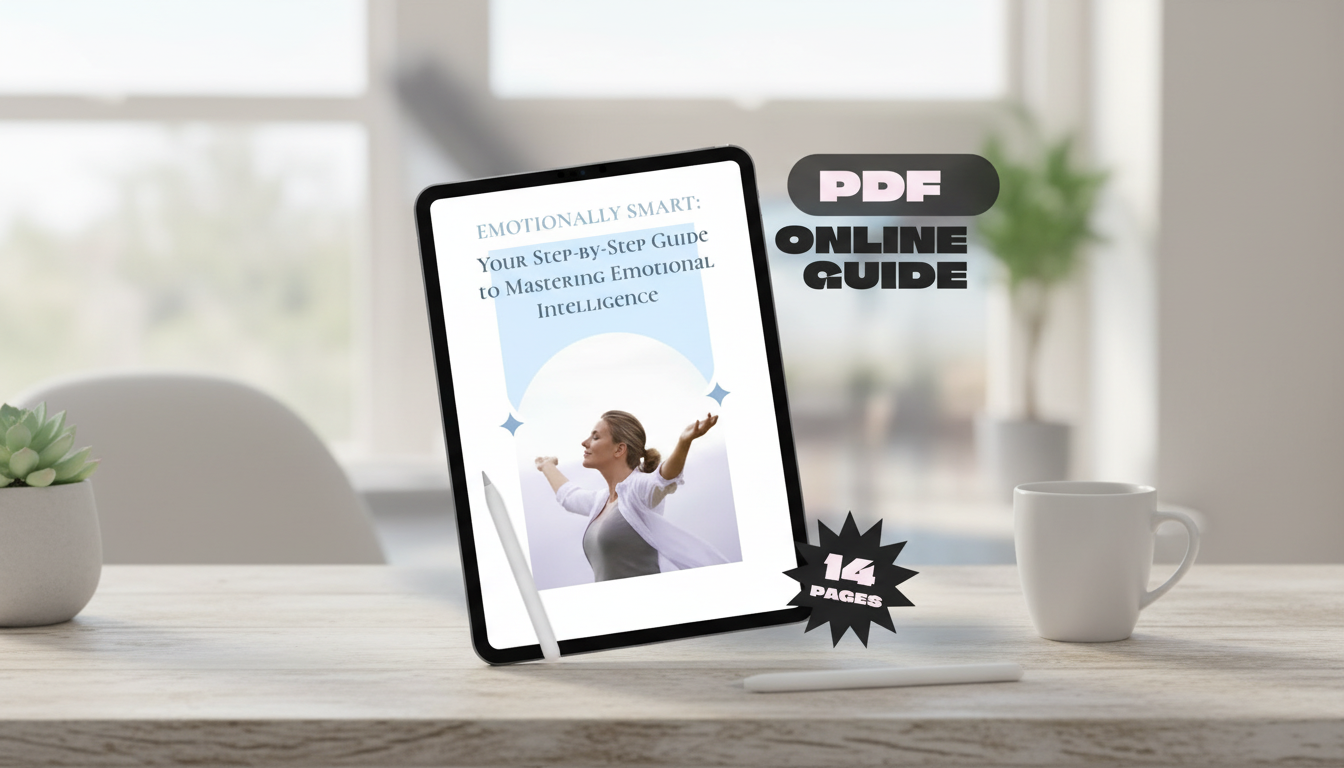
For a practical, step-by-step way to build these skills, visit this guide to building emotional intelligence with five core skills and a 14-day plan.
Start with a daily check-in: name what you feel, what triggered it, and what you need. Then practice one small regulation skill (like a 60-second pause before responding) and one communication skill (like using “I” statements) each day.












Leave a comment