
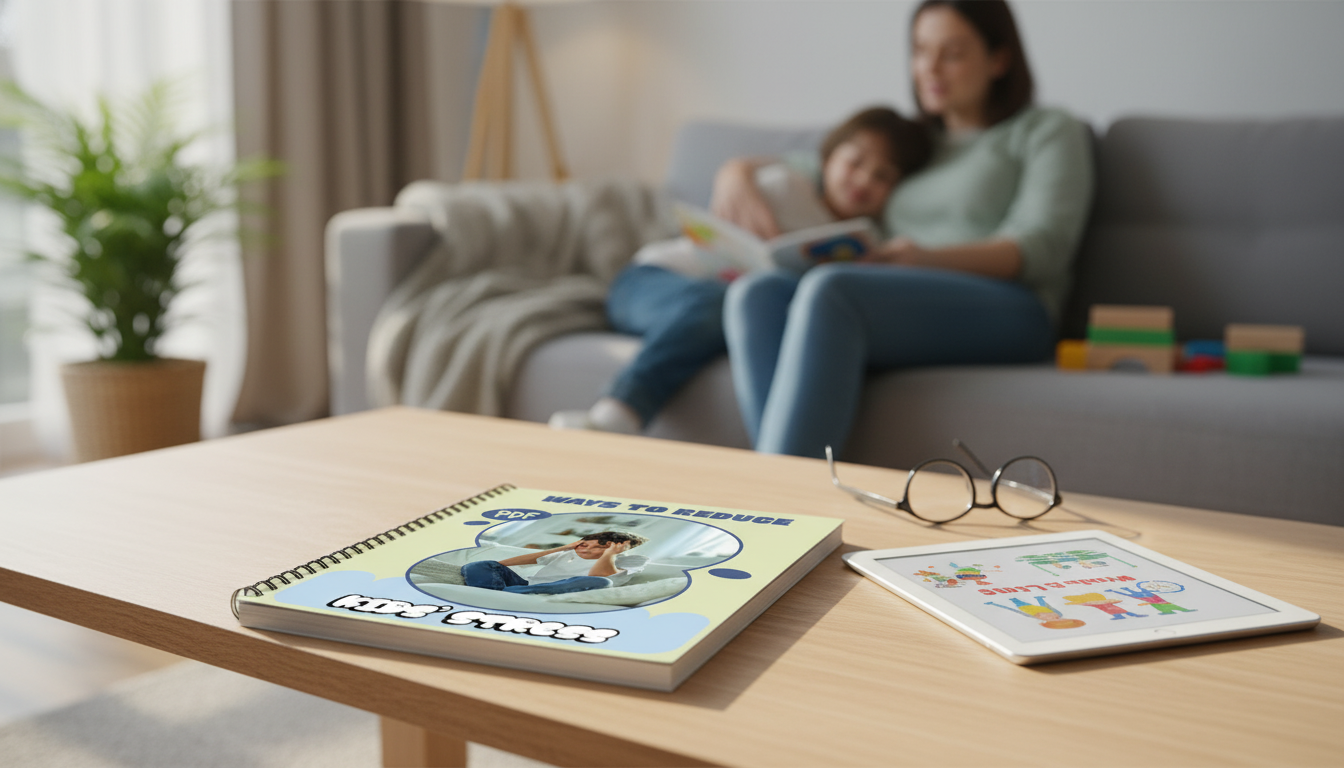
Kids can feel stress from school demands, social dynamics, changes at home, busy schedules, and world events. Stress isn’t always visible; it often shows up as behavior changes, sleep trouble, headaches, stomachaches, irritability, or withdrawal. The goal is not to eliminate every stressor, but to help children feel safe, supported, and capable—using simple routines and skills that work at home and in classrooms.
Stress in kids often hides in plain sight. Some children “hold it together” all day and fall apart later; others become quieter, more perfectionistic, or more oppositional. Looking at patterns across the body, behavior, and emotions can help adults respond with support rather than punishment.
| What you notice | What it may mean | First supportive step |
|---|---|---|
| Stomachaches before school | Anxiety, social stress, academic fear | Validate feelings, simplify morning routine, coordinate with teacher/counselor |
| Anger after pickup/dismissal | Overload; masking all day | Snack + quiet decompression time before questions or homework |
| Perfectionism and tears over small mistakes | Fear of failure; pressure | Praise effort/strategies, model “mistake recovery,” set “good-enough” limits |
| Sleep resistance or nightmares | Worry, overstimulation, inconsistent routines | Consistent bedtime routine; reduce evening screens; calming breath or story |
| Withdrawal from friends/activities | Low mood, social overwhelm, burnout | Gentle check-ins, offer low-demand connection, consider professional support if persistent |
When kids feel stressed, their nervous system prioritizes protection. Predictability and steady connection reduce “unknowns,” making it easier for the brain to shift back into learning, cooperation, and flexibility.
Coping skills work best when they’re practiced during calm moments, not introduced for the first time mid-meltdown. Keep tools short, concrete, and easy to repeat.
Stress drops when expectations feel achievable and kids can see a path forward. Support doesn’t mean removing every challenge—it means shaping demands so kids can succeed without feeling trapped.
Classrooms can reduce stress without sacrificing rigor by building predictable systems and quick regulation supports that keep students engaged.
For additional guidance, these resources can help families and schools align on best practices: American Academy of Pediatrics (HealthyChildren.org), CDC: Children’s Mental Health, and American Psychological Association: Stress resources.
Many kids mask stress during the day and release it later through after-school meltdowns, irritability, or shutdown. Others show it through headaches, stomachaches, sleep problems, or a sudden need for extra screens. A snack, quiet decompression time, and gentle check-ins can reveal what’s driving the overload.
Short, repeatable tools work best: a 30–60 second breathing cue, a quick grounding prompt (like naming colors), or a brief movement break. Predictable transitions, a calm corner, and simple co-regulation language (“I’m here; let’s breathe”) help students regain control faster—especially when practiced before stress hits.
Seek support when stress lasts for weeks, worsens sleep, school participation, or friendships, or leads to intense avoidance or panic-like symptoms. Any talk of self-harm or feeling unsafe needs immediate attention. A good starting point can be a pediatrician, school counselor, or a licensed mental health professional.











Leave a comment