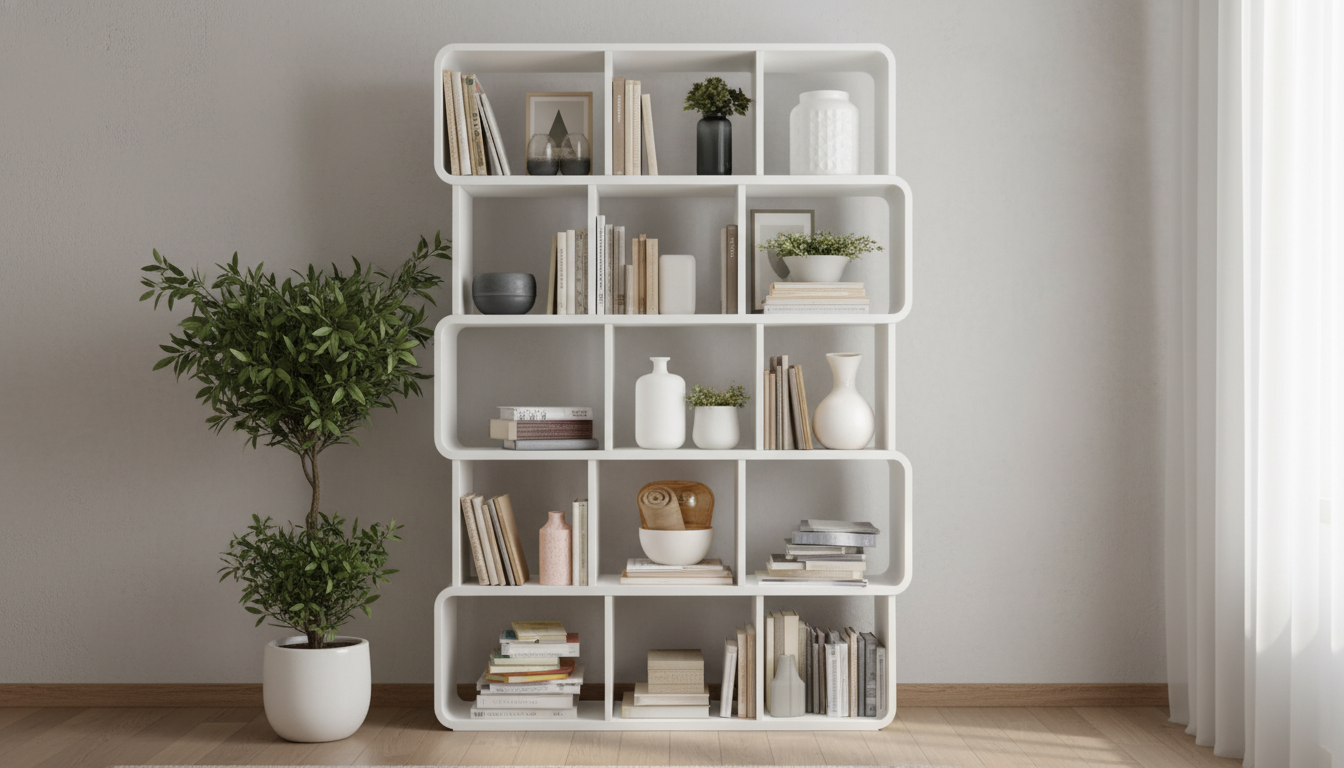
Storage areas stay useful when they are maintained in small, repeatable resets rather than big, exhausting overhauls. A good routine keeps items easy to find, prevents overbuying, and stops clutter from quietly spreading. Use the steps below to set a baseline, choose a maintenance schedule that fits daily life, and keep closets, cabinets, shelves, pantry, garage, and “drop zones” working the way they should.
The goal of a baseline reset is not perfection—it’s restoring a functional “default” so your day-to-day maintenance takes minutes, not hours.
If you’re cleaning as you reset, stick to simple, safe basics and follow public health guidance for household cleaning when needed. The CDC’s recommendations can help you choose appropriate cleaning and disinfecting steps for common surfaces.
CDC: Cleaning and Disinfecting Your Facility
| Area | What to empty | What to check | Finish line |
|---|---|---|---|
| Kitchen cabinets | One cabinet | Duplicates, expired food items, missing lids | Only current-use items returned; extras consolidated |
| Pantry | One shelf section | Expiration dates, open packages, backstock | Like items grouped; oldest moved forward |
| Closet | One zone (tops/shoes) | Seasonal mismatch, damaged pieces, hangers | Outfits grouped; donation bag removed |
| Bathroom storage | One drawer/bin | Expired meds/beauty, backups, leaks | Daily essentials accessible; backups contained |
| Garage/utility | One bin/shelf | Broken tools, missing parts, safety hazards | Tools grouped; floor/paths cleared |
Maintenance becomes realistic when putting something away is easier than leaving it out. “Homes” reduce decision-making and speed up resets.
A practical “home” has three traits: it’s close to where the item is used, it fits the quantity you intend to keep, and it requires minimal steps to access and return.
Clutter usually returns because the maintenance schedule is too ambitious or too vague. A simple rhythm keeps the system stable even during busy weeks.
For households with shared spaces, the weekly reset matters most: it catches small drift before it becomes a weekend-consuming project.
When storage areas fail, it’s rarely because someone “isn’t organized.” It’s usually a mismatch between space, volume, and convenience. Fix the friction point and the mess often improves on its own.
If your storage includes paints, cleaners, pesticides, or automotive products, plan for safe disposal instead of “saving it just in case.” Local rules vary, and the EPA’s household hazardous waste guidance is a good starting point.
EPA: Household Hazardous Waste (HHW)
A quick daily or weekly reset prevents buildup, while a monthly overflow check keeps containers from creeping past their limits. Plan a seasonal review for categories that change with weather, school schedules, or holidays, and adjust based on how fast each area fills.
Use container limits to decide how much you can realistically keep, prioritize daily-use items in the most accessible zones, and reduce duplicates. Avoid buying more organizers until you’ve decluttered and confirmed what actually needs a permanent home.
Make putting things away a one-step habit with broad category labels, obvious “homes,” and shared drop zones for everyday items. A short weekly reset that anyone can do—return strays, empty donation bags, and clear hotspots—keeps the system stable.






Leave a comment