
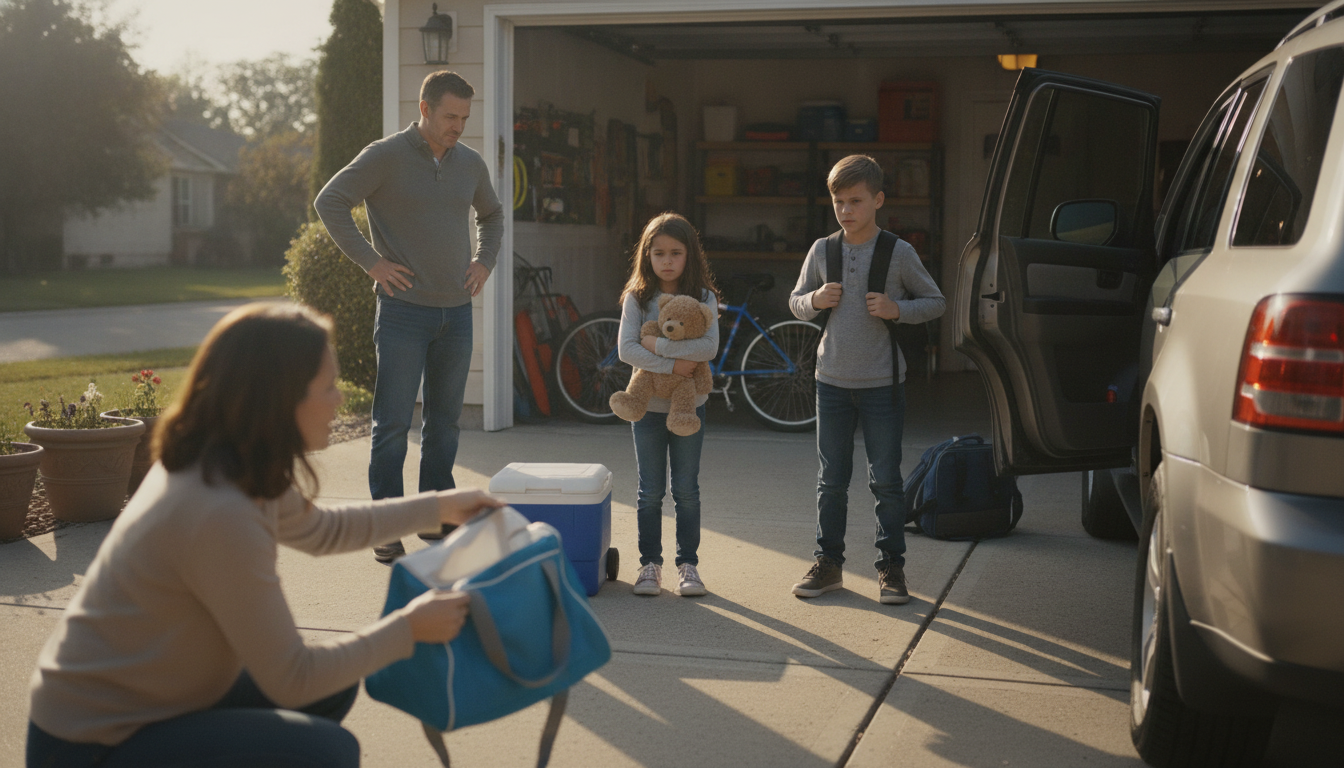
Normal stress is short-lived and usually tied to a clear situation—like a test, a big game, or a conflict with a friend. A child may feel nervous, irritable, or have a “butterflies” stomach, but they can still participate in daily life, recover after the event, and respond to reassurance, routines, sleep, and downtime.
Overwhelming stress is bigger than the moment and starts to take over a child’s functioning. Instead of rising and falling, it sticks around, intensifies, or spreads into many parts of life (school, home, friendships). The key difference is impact: when stress repeatedly disrupts sleep, learning, behavior, or physical health, it’s no longer just a normal pressure spike.
Watch for patterns that last more than a couple of weeks or appear across settings:
Start with a simple “stress snapshot”: What happened right before the behavior? How long did it last? How intense was it (1–10)? Can your child recover with calming supports, or do they stay stuck? If the same trigger keeps producing bigger reactions, that points to overload.
Also listen for worry language (“What if…,” “I can’t…,” “Something bad will happen”) and watch for rigid routines or perfectionism that seems driven by fear rather than motivation.
Prioritize basics (sleep, meals, movement) and offer predictable routines. Name what you notice without judgment, and ask specific questions: “Where do you feel it in your body?” “What’s the hardest part of your day?” For practical tools you can use at home and school, visit this guide to helping kids manage stress. If symptoms are severe, last several weeks, or include self-harm talk, contact a pediatrician or mental health professional promptly.
Breathing exercises, short movement breaks, drawing or journaling, and a consistent after-school wind-down routine can help kids calm their bodies and organize their thoughts. Skills work best when practiced during calm moments, not only during meltdowns.











Leave a comment