
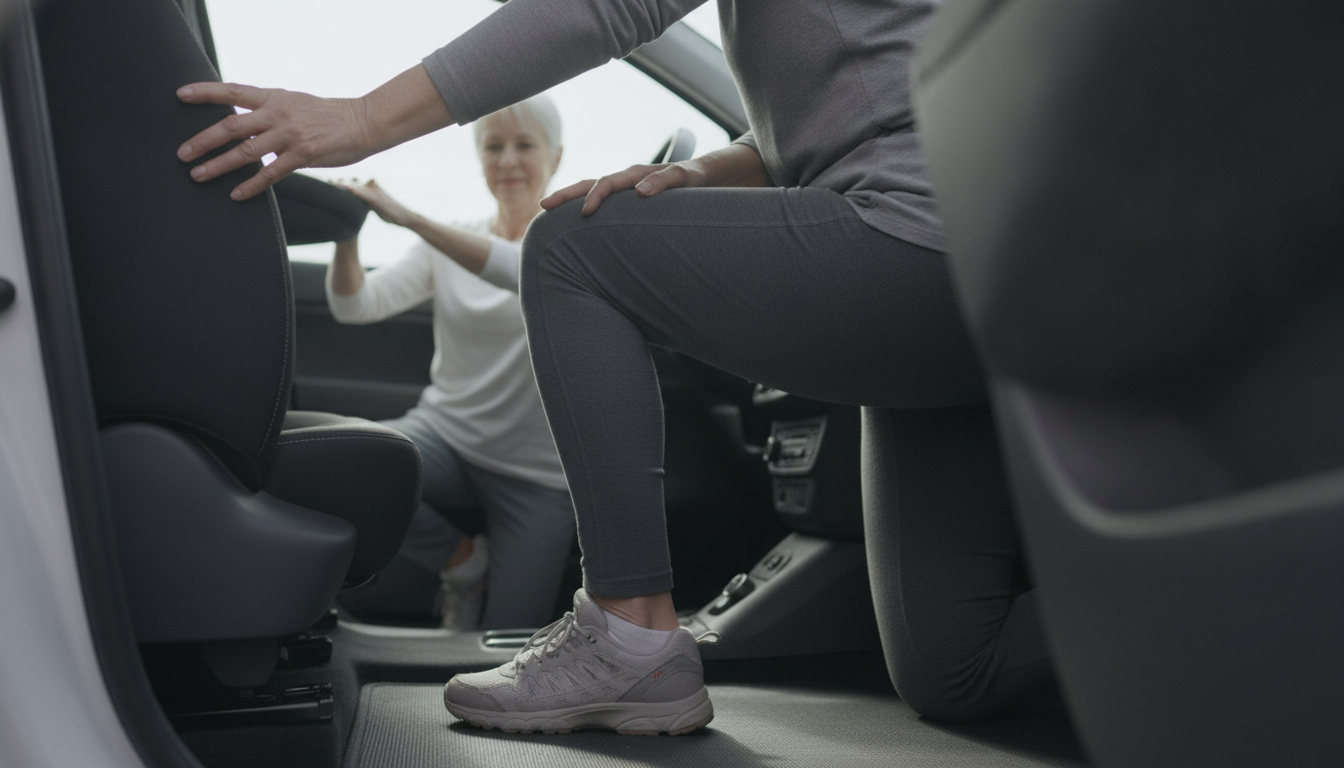
Yes—yoga can help seniors improve balance by strengthening the muscles that stabilize the ankles, knees, hips, and core, while also training body awareness (proprioception). Many yoga poses involve controlled weight shifts and single-leg support, which translate well to everyday movements like stepping off a curb, turning, or reaching into a cabinet.
Balance tends to change with age due to reduced leg strength, joint stiffness, slower reflexes, and sometimes vision or inner-ear changes. Gentle yoga addresses several of these at once: it builds functional strength, encourages a taller posture, and improves flexibility in tight areas such as calves, hamstrings, and hips—spots that often affect steadiness when walking.
Yoga supports balance through three practical pathways: stronger stabilizer muscles, better alignment, and more confident movement. Standing and supported poses teach the body to “catch” small wobbles sooner, while slow breathing can reduce tension that makes movements feel shaky.
For most seniors, gentle yoga, chair yoga, or beginner-level classes are the best starting points. Using a chair, wall, or counter for light support allows practice without fear of falling, while still challenging balance in a controlled way. Consistency matters more than intensity—short, regular sessions often bring better results than occasional long workouts.
For a practical routine and pose ideas designed with older adults in mind, visit this gentle yoga for seniors daily checklist.
Many seniors notice benefits with 2–4 short sessions per week, especially when they include standing poses with support. Progress is typically steadier when practice is consistent and paired with safe modifications.











Leave a comment