
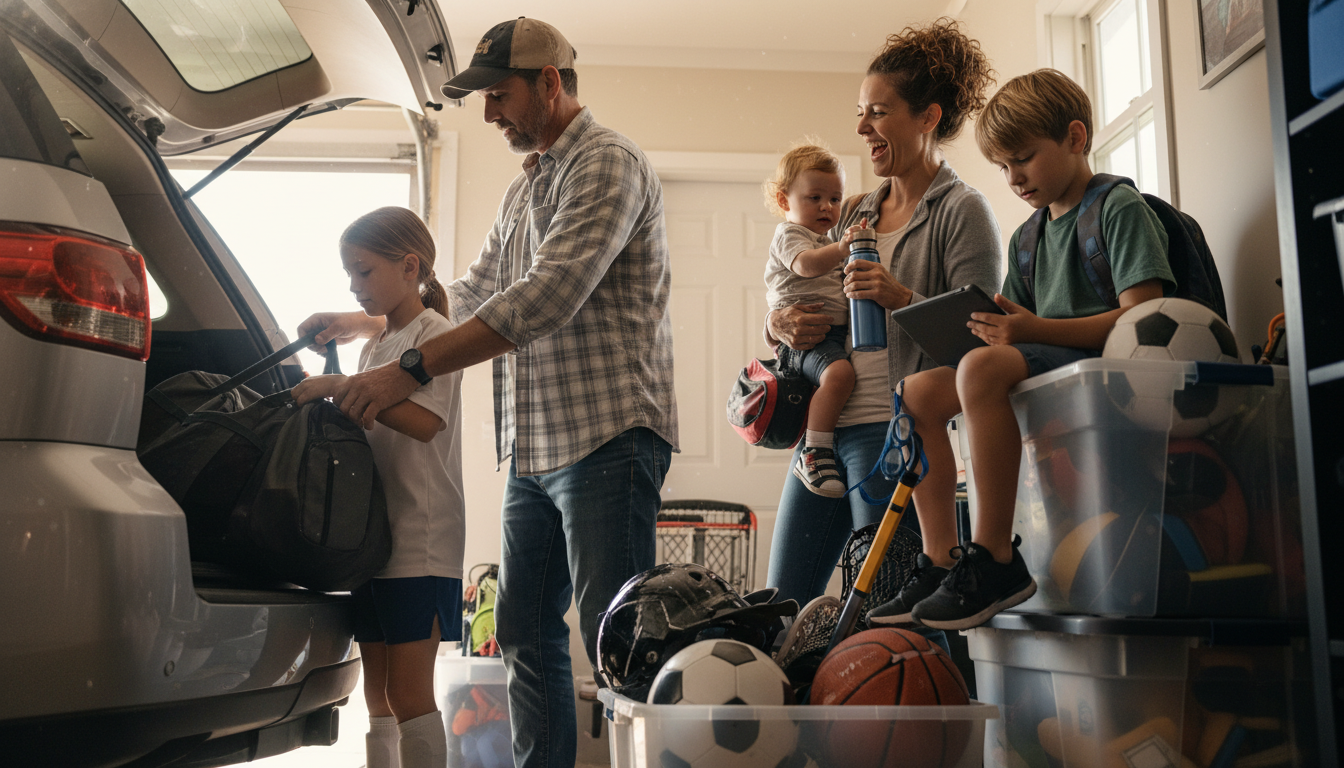
Parents play their best role as steady support, thoughtful guides, and practical organizers—without taking over. Extracurriculars can build confidence, friendships, and life skills, but they work best when the child still feels ownership of the activity. The goal is to help kids show up prepared, stay motivated through ups and downs, and learn how to manage commitments responsibly.
Encourage your child to explore activities that fit their interests and personality, then let them do the choosing. A simple check-in—“What part of this feels fun or meaningful?”—keeps the focus on intrinsic motivation. Praise effort, progress, and teamwork rather than outcomes like wins, roles, or trophies.
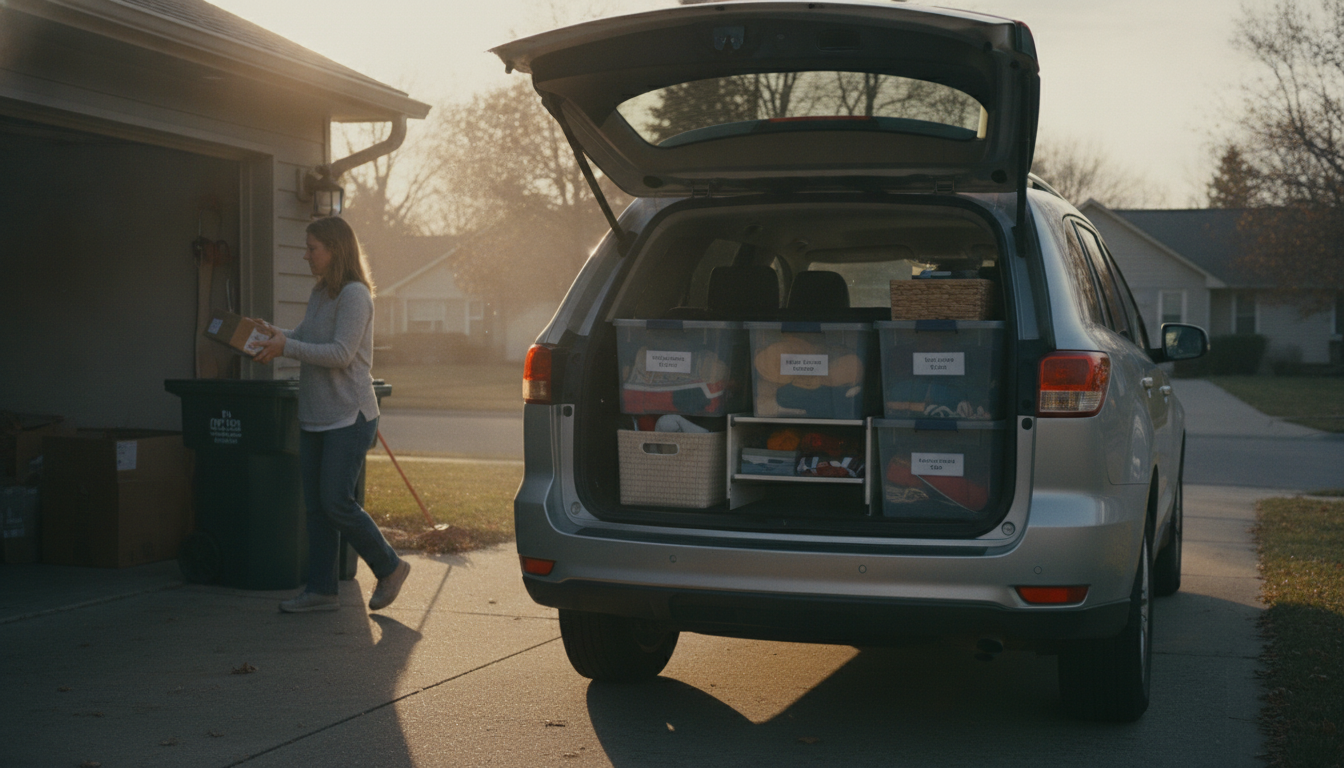
Many kids struggle not with the activity itself, but with the logistics around it. Parents can help by creating consistent routines: planning rides, coordinating equipment, and setting up homework time around practices and rehearsals. This kind of behind-the-scenes support teaches planning and lowers the chance of burnout.
Extracurriculars are a safe place to learn follow-through—finishing a season, communicating with a coach, and showing up even when confidence dips. At the same time, parents should protect time for sleep, school, and family. If an activity starts harming mental health, grades, or basic well-being, it’s appropriate to re-evaluate together and adjust.
Parents can model respectful communication: asking questions, clarifying expectations, and addressing issues early—without arguing from the sidelines. Encourage kids to speak for themselves when appropriate, while you stay available as backup.
A quick weekly check-in can prevent overcommitment and last-minute chaos. For a practical, parent-friendly routine, see this guide: Teen extracurricular support weekly checklist for parents.
Ask what’s driving the urge (stress, boredom, conflict, or overload) and discuss options like talking to the coach, reducing commitments, or setting a short trial period to reassess. If quitting is the healthiest choice, help them exit respectfully by communicating clearly and learning from the experience.











Leave a comment